
Dont let your guard down!
By: Terri DeNeui, DNP, ACNP, APRN-BC
Take these supplements to stay healthy as cold, flu and COVID season rages on!
During the winter, we regularly share tips on how to ward off nasty cold and flu viruses. Maintaining a healthy immune system is key! Since COVID-19 is the biggest viral threat to public health right now, we must stay vigilant and take steps to strengthen our immune systems during cold, flu AND COVID season. Nutritional supplements can play a role. As I’ve said in previous blogs, if we bolster our immune systems, we don’t need to fear coronavirus COVID-19. We’ve also learned a lot about the virus this past year and how certain vitamins, minerals and antioxidants can help protect us from getting sick or gravely ill with the acute respiratory distress syndrome (ARDS) associated the most severe cases of COVID-19 and the flu. In this blog I’ll share some insight on what we’ve learned along the way and how nutritional supplements can help support your journey to good health by bolstering the immune system.None of the following information should be considered to be medical advice for anyone with whom I have not established a healthcare provider-patient relationship as required by law and medically ethical practice guidelines.
Remember when coronavirus and COVID-19 were foreign terms?
 In the early months of 2019, most people in the United States had barely heard of COVID-19, a novel coronavirus named SARS COV-2. The media was putting out its traditional coverage of influenza numbers but discussions of a COVID-19 test or COVID-19 vaccine were mostly unheard of until spring of that year. Worrying that we would test positive for the virus was far from our minds.
The Centers for Disease Control and Prevention CDC and other public health organizations quickly identified symptoms of COVID-19 (updating that list as new information became available), and over time, discovered who was at highest risk for the disease. Older adults and adults of any age with certain underlying medical conditions are at higher risk for COVID-19. Studies continue to show us who is most at risk for severe complications of COVID-19. For example, research published in May 2020, revealed that a deficiency in the antioxidant glutathione was commonly found in patients with established comorbidities for COVID-19. A January 2021 study suggests that Type 2 diabetes has a disproportionate effect on the COVID-19 mortality rate of middle-aged people.
In the early months of 2019, most people in the United States had barely heard of COVID-19, a novel coronavirus named SARS COV-2. The media was putting out its traditional coverage of influenza numbers but discussions of a COVID-19 test or COVID-19 vaccine were mostly unheard of until spring of that year. Worrying that we would test positive for the virus was far from our minds.
The Centers for Disease Control and Prevention CDC and other public health organizations quickly identified symptoms of COVID-19 (updating that list as new information became available), and over time, discovered who was at highest risk for the disease. Older adults and adults of any age with certain underlying medical conditions are at higher risk for COVID-19. Studies continue to show us who is most at risk for severe complications of COVID-19. For example, research published in May 2020, revealed that a deficiency in the antioxidant glutathione was commonly found in patients with established comorbidities for COVID-19. A January 2021 study suggests that Type 2 diabetes has a disproportionate effect on the COVID-19 mortality rate of middle-aged people.
What have we learned about warding off COVID-19 the coronavirus disease?
By now we all know that avoiding infected people, following social distancing measures and washing our hands can minimize the odds of contracting coronavirus disease during the COVID-19 pandemic. IMPORTANT: Always be sure to wash your hands at night before bedtime. That’s when we’re most likely to infect ourselves with germs transmitted from the hands to the eyes, nose and mouth. It’s also generally accepted that a healthy immune system is the best line of defense when the body needs to fight infection and disease. Since COVID-19 is at its most deadly when it attacks and replicates in the lungs, we also know that it’s important to take proactive measures to support respiratory health. Healthy living—avoiding processed foods, staying active, minding mental and spiritual health, avoiding tobacco, alcohol and drugs—is a great place to start. This includes a balanced diet of fresh fruits and vegetables, lean proteins, as well as healthy fats. Those clean, unprocessed foods provide many of the nutrients we need to boost immune response. Being proactive about managing stress is also essential to a healthy lifestyle, as stress wreaks havoc on the immune system.How supplements fill the gap and keep our immune system functions firing on all cylinders.
As we age and suffer from certain disease states, our bodies produce lower levels of the nutrients we need for optimum health. For many people, a healthy diet and lifestyle isn’t enough to sustain proper levels of disease-fighting antioxidants, vitamins and minerals. When that occurs, the immune system suffers, leaving us more susceptible to viruses like colds, the flu and coronavirus disease. Nutritional supplements can help fill the gap. Through research, we’ve also learned how certain nutrients help minimize symptoms of COVID-19, especially the potentially deadly acute respiratory disease syndrome (ARDS).The best dietary supplements to bolster the immune system and fight off viruses like COVID-19, colds and the flu start with antioxidants like vitamin C, melatonin and glutathione
If the idea of boosting your immune system is a top priority for you, beefing up your intake of antioxidants is key. Antioxidants help combat free radicals and reactive oxygen species that compromise the immune system. They also help minimize the production of inflammasomes in the lungs, helping to protect against serious respiratory infections (like ARDS) that can accompany the flu and COVID-19.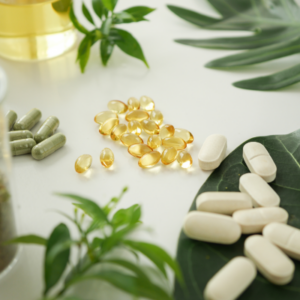
Vitamin C- a classic
Good old vitamin C (ascorbic acid) is a powerful antioxidant known for its antiviral properties, vitamin C helps support the production of T lymphocytes—or T cells—white blood cells that support the immune response to foreign invaders in our bodies. How much vitamin C do you need? 1000-2000 mg/day when healthy, 2000-4000 mg/day when ill and during cold, flu and COVID season.Melatonin, the surprise aide
You may think of melatonin as a “sleep aid” but this hormone is considered to be the mother of all antioxidants. Melatonin plays many roles in the body, acting as an anti-inflammatory and immune regulating nutrient. Specific to COVID-19, research suggests that melatonin can have a positive impact on the coronavirus NLRP-3 inflammasome (a protein that triggers the negative side of the immune system). How much melatonin do you need? 1 to 5 mg/day before bed. Your practitioner may recommend higher doses if you are ill. Earlier in this post I mentioned the likely connection between glutathione deficiency and COVID-19 but what does the antioxidant glutathione do? Glutathione helps flush toxins from the body and promotes cell health. It also helps our bodies utilize vitamin D to support healthy lungs. How much glutathione do you need? Ask your practitioner. We recommend intravenous administration of glutathione for optimum results.